
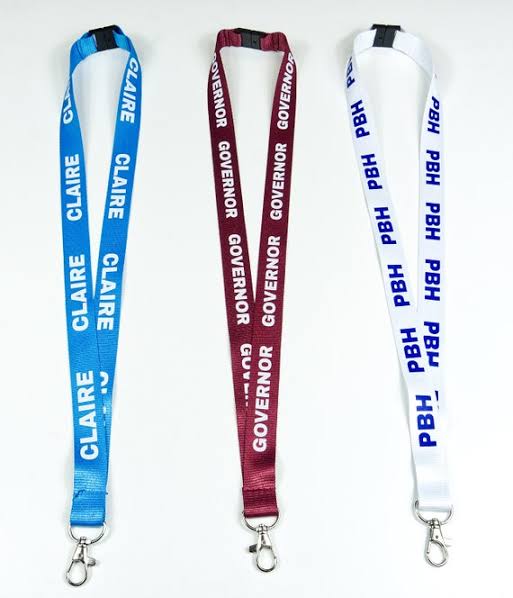
Most people ordering lanyards for the first time assume it’s a simple job, pick a colour, add a logo, done. In practice, there are a handful of decisions along the way that quietly determine whether the finished product looks professional or slightly cheap, and most of them come down to choices made before the print run even starts. Anyone organising their first bulk lanyard order for an office, school, or event in Dubai will save themselves some frustration by understanding these upfront.
The good news is that none of this requires specialist knowledge. It just requires knowing which questions to ask a supplier before committing to a design and a quantity.
Printing Method Affects the Final Look More Than People Expect
The two main methods in common use are screen printing and dye sublimation, and they produce noticeably different results. Screen printing applies ink directly onto the woven fabric, which works well for simple logos with one or two solid colours, but tends to feel slightly raised to the touch and can crack faintly over long periods of heavy use. Dye sublimation, by contrast, infuses colour into the fabric itself, allowing for full-colour, photo-quality designs that stay smooth and don’t peel, though it typically comes at a slightly higher cost per unit.
For a logo with gradients, multiple colours, or fine detail, dye sublimation is almost always the better choice. For a simple one-colour logo on a tight budget, screen printing remains a perfectly reasonable option.
Width and Weave Affect Durability and Comfort
Lanyard width typically ranges from about 10mm up to 25mm, and this isn’t purely a stylistic choice. Wider lanyards sit more comfortably around the neck for all-day wear and offer more surface area for a logo to be legible, while narrower options tend to suit lighter, single-day events where comfort over extended hours matters less. Weave type also affects how crisp the printed result appears, a tighter weave generally holds fine detail better than a looser one.
Getting Artwork Ready Before You Order
Supplying artwork in a vector format, rather than a low-resolution logo pulled from a website, makes a noticeable difference in how sharp the final print looks, particularly for text or fine lines. It’s worth asking a supplier for a digital proof before the full run goes to print, since catching a colour mismatch or a sizing issue at the proof stage is far easier than discovering it after several hundred units have already been produced.
Businesses working through their first order can review the process and available options for Lanyards Printing, which generally includes guidance on artwork requirements alongside the standard range of widths, materials, and clip attachments.
Clips, Buckles, and Practical Add-Ons
Beyond the printed strap itself, the hardware at the end matters more than it might seem. A breakaway safety clip is standard practice in most professional and educational settings, releasing under pressure rather than posing a hazard if snagged. Additional attachments, such as a retractable badge reel or a mobile phone loop, are increasingly common add-ons worth considering depending on how the lanyard will actually be used day to day.
Turnaround Times and Order Planning
Because dye sublimation printing involves a slightly longer production process than basic screen printing, it’s worth building in a few extra days of lead time when planning an order, particularly ahead of a fixed event date. Suppliers in Dubai generally quote turnaround based on quantity and print method, so confirming this early avoids the scramble of a delayed order arriving after an event has already started.
For anyone about to place their first order, taking a few extra minutes to review Lanyards Printing options and confirm these details upfront tends to make the difference between a lanyard that looks genuinely professional and one that looks like it was rushed through at the last minute.
A Short Word on Working With a Supplier
Good communication with a supplier tends to matter more than people expect during a first-time order. Being upfront about the intended use, whether it’s a single three-day conference or an ongoing staff identification programme, helps a supplier recommend the right combination of width, material, and print method, rather than defaulting to whatever’s fastest to produce.
A short conversation before artwork is finalised, covering budget, timeline, and expected quantity, usually saves far more time than it costs, and tends to be the single biggest factor separating a smooth first order from a frustrating one.