
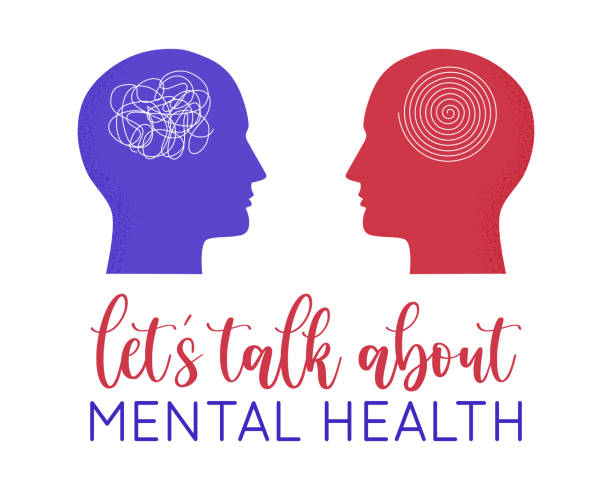
Why is mental health becoming a daily conversation is something I notice almost every day now, and not just on awareness posts or therapy reels. It shows up in casual chats, office meetings, late-night texts, even jokes. A few years ago, saying “I’m not okay” felt awkward, almost dramatic. Now it feels… normal. Not easy, but normal. And honestly, that shift didn’t come out of nowhere.
Life got louder, faster, and more demanding
One big reason why is mental health becoming a daily conversation is simple. Life got intense. Everything is faster now. Messages, deadlines, expectations, comparisons. There’s barely any pause.
Earlier, stress came in phases. Exams, job changes, big events. Now stress feels constant. Notifications don’t stop. Work follows you home. Social media shows everyone doing “better” than you at the exact moment you’re tired.
When pressure becomes daily, mental health stops being a once-in-a-while topic. It becomes survival talk.
People are finally putting words to feelings
For a long time, people felt anxious, exhausted, or empty but didn’t know what to call it. Now they do.
Words like burnout, anxiety, emotional fatigue, and overwhelm entered everyday language. Once you can name a feeling, you can talk about it. And once people start talking, others realize they’re not alone.
I’ve personally had moments where I thought something was wrong with me, only to later hear someone describe the exact same feeling online. That recognition is powerful. It makes silence harder to justify.
Social media made it visible, not necessarily worse
There’s a popular argument that social media ruined mental health. Maybe partly true. But it also made struggles visible.
Earlier, people suffered quietly. Now they post, share, vent, joke, explain. You see real people talk about panic attacks, therapy sessions, bad days. Not always perfectly, but honestly enough.
This visibility normalized conversations that were once hidden. Seeing others speak openly gives permission to speak yourself.
The old “be strong” mindset stopped working
For years, strength meant silence. Don’t complain. Don’t show weakness. Just push through.
That mindset worked when life moved slower. Now it backfires. Constant pushing without rest leads to burnout, not success. People realized that ignoring mental health doesn’t make it disappear. It just shows up later in worse ways.
I’ve seen people hit breaking points after years of “handling everything fine.” That broke the myth that silence equals strength.
Work culture forced the topic into the open
Another reason why is mental health becoming a daily conversation is work. Burnout became too common to ignore.
People started quitting jobs not because they were lazy, but because they were exhausted. Companies started losing talent. Suddenly mental health became a “workplace issue.”
Meetings about well-being, flexible schedules, mental health days. Some of it is genuine, some of it is performative, but the conversation is happening. And once it enters offices, it spills into daily life.
Pandemic changed how people see emotional health
The pandemic did something strange. It paused the world and exposed how fragile people really are.
Isolation, fear, uncertainty made mental struggles visible even to people who never thought about them before. Mental health was no longer “someone else’s problem.” It became personal.
That experience didn’t disappear when things reopened. People remembered how easily things can fall apart. That awareness stuck.
Younger generations talk more, hide less
Gen Z and millennials talk about mental health very openly. Sometimes awkwardly. Sometimes clumsily. But openly.
They question hustle culture. They value balance. They’re less impressed by suffering silently. That attitude influenced older generations too, slowly.
It’s not that younger people are weaker. They’re just more honest about what affects them.
Mental health affects everyday decisions now
Mental health is no longer a side topic. It affects choices.
People choose jobs based on stress levels. They avoid toxic environments. They prioritize rest more. They say no more often.
When something affects daily decisions, it naturally becomes a daily conversation.
There’s still stigma, but less than before
Let’s not pretend stigma is gone. It’s still there. Especially in families and conservative spaces.
But it’s cracking. Slowly. Each conversation chips away at it. Each person saying “I need help” makes the next one easier.
Talking doesn’t mean everything is fixed. It just means people are done pretending nothing is wrong.
Mental health talk feels relatable, not clinical anymore
Earlier, mental health conversations felt clinical. Doctors, diagnoses, seriousness.
Now it’s casual. “I’m mentally tired.” “My anxiety was acting up.” “I need a break.” That casual tone made it accessible.
When conversations become relatable, they spread faster.
Why this conversation isn’t going away
Why is mental health becoming a daily conversation isn’t a trend. It’s a response. A response to how modern life feels.
People aren’t suddenly fragile. They’re just aware. They’re choosing honesty over pretending. Talking over suppressing.
And maybe that’s progress. Not perfect progress, not clean progress. But real progress.
Because when people talk daily about mental health, it means they’re trying to understand themselves better. And that’s something the world probably needed for a long time.