
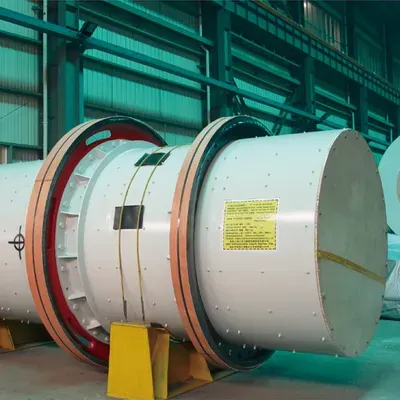
If you’ve ever stared at a rotary kiln and thought, “Man, that thing looks like it could use a serious upgrade,” then you’re kinda on the right track. Honestly, rotary kilns are these massive beasts that do all the heavy lifting in cement, lime, or other mineral processing, but over time, even the toughest ones start showing signs of wear and tear. That’s where rotary kiln retrofit sealing comes into play. I remember the first time I actually saw one being retrofitted, I couldn’t believe how much difference it made—like giving a 20-year-old car a brand new engine, tires, and a fresh coat of paint, all at once.
The basic idea is pretty simple, but it’s kind of sneaky in how important it is. Your kiln rotates constantly, it’s hot as heck, and the seals are the unsung heroes keeping all the heat, pressure, and dust contained. Without proper sealing, you’re basically letting your expensive, energy-guzzling machine fart steam and dust everywhere. And trust me, nobody wants that, especially not the maintenance team cleaning up all that mess.
Why Old Kiln Seals Are a Nightmare
I once read a forum thread on LinkedIn where an engineer was ranting about how their old seals had literally shredded after just a couple of months. The picture looked like some medieval torture device had exploded inside a metal tube. That’s why retrofitting is actually smarter than just patching things up. People usually underestimate the cost of energy loss due to bad seals. It’s like leaving your fridge door open in the middle of July and wondering why your electricity bill is insane. Heat escapes, efficiency drops, and before you know it, production takes a hit.
What’s wild is how the retrofit process isn’t just slapping in a new seal. It’s about analyzing the kiln’s wear patterns, the temperature profile, rotation speed, and even the type of raw materials. A lot of people skip this step thinking, “Eh, just throw a standard seal in.” Spoiler alert: it rarely works well.
The Secret Sauce in Retrofit Sealing
Here’s the thing most people don’t talk about. Modern sealing materials aren’t your granddad’s old asbestos-filled strips (thank god for that). They’re way more flexible, heat-resistant, and can actually adapt to tiny shifts in the kiln shell. I’ve seen cases where a proper retrofit cut down heat loss by almost 15%—which is nuts when you do the math. Think of it like wearing a thermal hoodie in Antarctica instead of just a cotton T-shirt. You might survive in both, but one is clearly smarter.
And yes, it’s not just about the money—though who am I kidding, that’s a big part. It’s also about less downtime, less maintenance headaches, and fewer “oh no” moments when you realize your production has just tanked because a seal failed. I remember chatting with a guy on a cement industry forum; he said retrofitting saved them a full week of unscheduled downtime every year. That’s basically like giving the plant an extra month of production over three years. Not too shabby.
Online Chatter Isn’t Wrong About This
If you scroll through some LinkedIn posts or Twitter threads about rotary kilns, a lot of people joke about how “boring” seals are. But honestly, those jokes are kinda true in a funny way. Everyone notices when the kiln explodes or something dramatic happens, but nobody notices when a retrofit quietly saves thousands in fuel, maintenance, and headache. There’s even a few TikTok videos now showing before-and-after thermal cameras of retrofitted kilns. And let me tell you, seeing the heat actually staying where it’s supposed to? Kinda satisfying, not gonna lie.
A Real-Life Story From the Field
I remember visiting a plant where the kiln hadn’t been sealed properly for like, a decade. The maintenance crew was constantly running around, and the engineers were pulling their hair out over inefficiency reports. After a proper retrofit, everything changed. The kiln ran smoother, less dust blew out into the plant, and for some reason, the morale of the staff shot up. I guess when your tools work properly, life feels easier—even in a cement plant. They even joked that the kiln seemed “happier,” which, ok, I laughed at that one.
Why You Shouldn’t Wait Too Long
One thing I learned the hard way: the longer you wait, the worse it gets. Old seals don’t just leak heat—they start affecting the alignment of the kiln, which can lead to more expensive repairs. Retrofitting early is kind of like going to the dentist before you need a root canal. Annoying maybe, but a lot cheaper and less painful in the long run.
Plus, newer retrofits are more environmentally friendly. Less heat escaping means lower fuel consumption, which is a tiny win for your plant’s carbon footprint. Nobody likes paying extra for fuel and feeling guilty about the planet, right?
Wrapping It Up
So yeah, rotary kiln retrofit sealing might not be the sexiest thing in the plant, but it’s easily one of the smartest moves you can make if you care about efficiency, money, and sanity. Whether you’re dealing with a few minor leaks or your kiln is basically hissing like a pressure cooker, getting it retrofitted properly can save a ton of trouble down the road.
Honestly, it’s like giving your old car a turbo upgrade and some fresh shocks—you didn’t know you needed it, but once it’s done, you wonder how you ever survived without it. And trust me, the kiln will silently thank you.