
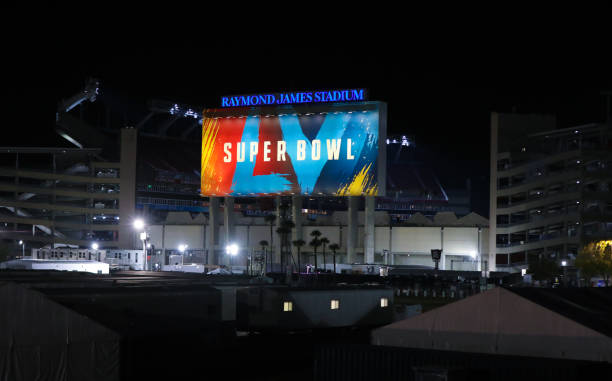
The 2026 Super Bowl has evolved into more than a football game. It now serves as a major fashion business event, blending sport, style, and marketing in one high-profile spectacle. With massive viewership and cultural influence, the Super Bowl is a unique opportunity for brands to reach millions of consumers at once.
Fashion Takes Center Stage
This year’s Super Bowl has been called the biggest fashion event yet. Designers and brands seized the spotlight to make memorable statements. Celebrities and performers delivered standout looks, while fashion narratives threaded through halftime performances, brand activations, and runway-style showcases during game week events.
Fashion is no longer an accessory to sports—it is a key part of the experience. Attendees, viewers, and social media audiences all became part of the runway.
High-Profile Brand Partnerships
Major fashion houses and retailers used the Super Bowl to amplify their reach. Thom Browne presented his Fall/Winter 2026 collection at the GQ Bowl, integrating fashion directly with sports culture. Meanwhile, Abercrombie & Fitch partnered with the NFL for a runway-style show featuring players, signalling the league’s growing embrace of fashion collaborations.
These partnerships show how brands are leveraging live events for marketing impact. Sports audiences now overlap with fashion-conscious and trend-savvy consumers, creating a unique marketing ecosystem.
Event-Driven Marketing Strategies
Advertising at the Super Bowl remains costly, with slots reaching roughly $10 million. Brands are now exploring event-driven strategies rather than relying solely on traditional media buys.
Companies like Tecovas and e.l.f. Cosmetics appeared in mainstream commercials, while others relied on live appearances, pop-up activations, and collaborations. This approach targets younger, socially engaged audiences, particularly Gen Z and Millennials, who value cultural relevance and visual storytelling.
Celebrity Influence Amplifies Engagement
Celebrity participation adds another layer of impact. Figures such as Kim Kardashian and Justin Bieber boosted visibility, helping brands connect directly with fans. Their involvement creates social media buzz that far exceeds typical fashion week coverage, turning the Super Bowl into a yearly fashion highlight.
Looking Ahead: Fashion Beyond Runways
The Super Bowl demonstrates a broader trend: fashion is no longer confined to runway seasons. Sporting events, entertainment spectacles, and cultural moments now serve as key opportunities for style to influence audiences.
Looking forward, the 2027 Super Bowl in Los Angeles promises even greater fashion visibility. Brands will continue to explore partnerships, live activations, and celebrity collaborations to connect with consumers in creative, immersive ways.
Conclusion
The 2026 Super Bowl confirms that fashion and sports are converging in unprecedented ways. Designers, brands, and celebrities are redefining how style reaches audiences, turning the event into a must-watch fashion moment. For the fashion industry, major U.S. events are no longer just marketing opportunities—they are cultural platforms that shape trends and consumer behavior.