
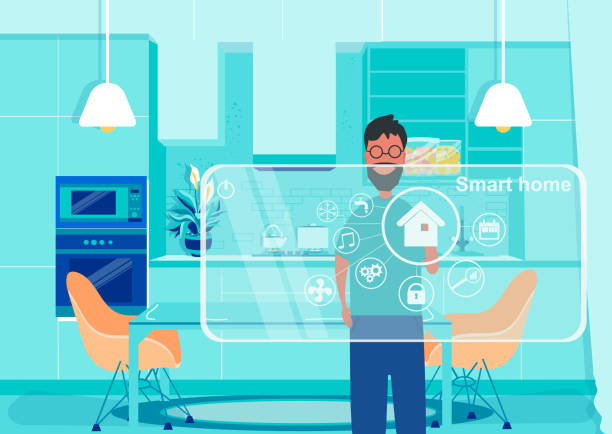
Why are smart homes becoming the new normal is something I keep thinking about every time I walk into a room and automatically reach for a switch that doesn’t need to be touched anymore. Lights turn on by voice. Fans adjust themselves. Even the doorbell talks back. Ten years ago this sounded like rich-people sci-fi stuff. Now it’s showing up in middle-class apartments, rented flats, even in homes where the Wi-Fi password is still written on a sticky note.
Convenience slowly spoiled us all
The biggest reason smart homes crept into everyday life is simple laziness. And I don’t mean that in a bad way. Humans naturally choose the easier option. Once you experience telling your lights to switch off without getting up, it’s hard to go back.
I remember installing a smart plug just to test it. One plug. One device. Two weeks later I was annoyed when other appliances weren’t automated. That’s how it gets you. Slowly. No pressure. Just comfort.
Convenience doesn’t shout. It whispers until it becomes expectation.
Phones quietly became remote controls for life
Our phones already control our work, social life, money, entertainment. Homes were the next obvious step. Turning your phone into a house controller feels natural now.
People don’t even say “smart home” anymore. They say things like my AC app, my light app, my camera app. It’s normalized. That’s when tech officially wins.
Social media helped with this too. Instagram reels showing mood lighting setups, cozy bedrooms, voice-controlled kitchens. Once people saw how aesthetic and easy it looked, curiosity kicked in.
Energy savings sound boring but hit hard later
This part doesn’t trend much online, but it matters. Smart homes help reduce wasted electricity. Lights turning off automatically. AC adjusting based on room temperature. Appliances shutting down when not in use.
It’s like having a slightly strict parent inside your house saying beta light band kar do. You don’t notice daily savings, but monthly bills tell a story.
With electricity costs rising, especially in cities, this practical benefit quietly pushes people toward smart systems without much hype.
Safety anxiety made tech feel necessary
Let’s be honest. People are more anxious now. About theft, deliveries, strangers, even pets at home.
Smart cameras, door sensors, video doorbells give a sense of control. Whether it’s fully effective or not, the feeling matters.
I know people who installed smart cameras not because something happened, but because something might happen. That peace of mind sells better than any discount.
Online discussions are full of this mindset. Comments like better safe than sorry or at least I can check my house remotely. Fear doesn’t always panic-buy. Sometimes it calmly subscribes.
Work from home changed how homes function
Homes aren’t just for resting anymore. They’re offices, gyms, classrooms, studios.
Smart homes adapted faster than traditional setups. Automated lighting for video calls. Temperature control for long work hours. Noise monitoring. Even smart desks are becoming a thing.
Once work moved inside homes, people started investing in their living space like never before. Smart upgrades felt justified, almost professional.
Tech got cheaper and less scary
Earlier smart home tech was expensive and confusing. Complicated wiring. Unclear compatibility. Technician visits.
Now it’s mostly plug-and-play. Affordable devices. YouTube tutorials. Apps that explain themselves.
When tech stops feeling intimidating, adoption explodes. People don’t want to feel dumb using products. Modern smart devices respect that.
Also, brands simplified language. No more overly technical jargon. Just simple promises like save energy, stay secure, relax more.
Flex culture also plays a role
Let’s not ignore this. Smart homes are also a flex.
Not a loud luxury flex, but a subtle one. Mood lights during video calls. Voice commands in front of guests. Automated curtains opening dramatically.
It’s not about showing wealth. It’s about showing you’re updated. That you’re part of the future.
Online culture loves this stuff. Setup tours. Before-after videos. Even comments like bro living in 2030 fuel the trend.
People want homes that adapt to them
Traditional homes expect humans to adjust. Smart homes adjust themselves.
Lights based on time. Temperature based on weather. Music based on mood. It feels personal.
After long days of adjusting to the world, people want spaces that understand them. Even if that understanding is algorithm-based, it still feels comforting.
It’s like having a home that listens, even if it’s literally just listening for commands.
Privacy concerns exist but convenience wins
Yes, people worry about data. About microphones listening. About cameras watching.
But convenience often wins over caution. Especially when risks feel abstract and benefits feel immediate.
Most users operate in a mental balance. They know the risks. They accept them quietly.
This isn’t unique to smart homes. It’s how people accepted smartphones, social media, cloud storage. Comfort slowly outweighs concern.
Smart homes stopped feeling futuristic
That’s the real shift. Smart homes don’t feel like the future anymore. They feel like present upgrades.
Just like washing machines replaced hand washing, and smartphones replaced landlines, smart homes are becoming background technology.
People don’t ask why anymore. They ask how much and how easy.
Why are smart homes becoming the new normal comes down to one thing. They fit modern life too well. Busy schedules, digital habits, comfort-seeking behavior, and rising stress levels created the perfect environment for them.
It didn’t happen suddenly. It happened quietly. One smart device at a time.