
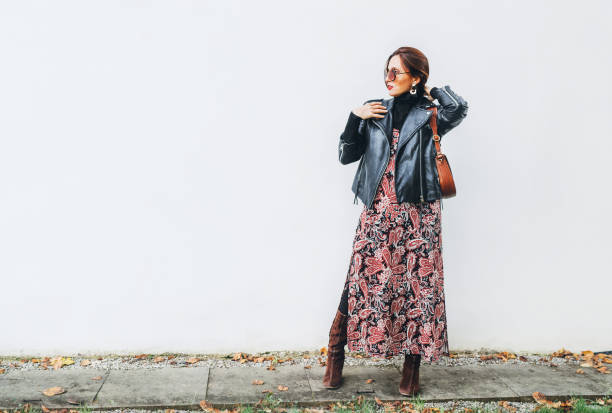
New York Fashion Week (NYFW) is back, and this year it shines a spotlight on homegrown American designers. As global luxury brands face economic pressures, U.S. labels are seizing the moment to showcase their creativity and commercial resilience. NYFW has become more than a runway—it’s a stage where American fashion asserts its relevance.
Homegrown Labels Buck the Luxury Slowdown
Even as many luxury houses report slower sales and rising costs, Ralph Lauren, Coach, and Michael Kors continue to attract attention. These brands thrive by focusing on accessible luxury and recognizable American heritage. Consumers are shifting. They now prefer quality, familiarity, and value over ultra-high-end labels with steep prices.
Trends show renewed interest in preppy, versatile, and wearable collections. By combining classic aesthetics with modern twists, domestic brands keep buyers engaged. This strategy positions them well to weather global economic headwinds while maintaining cultural relevance.
Revitalizing the NYFW Experience
NYFW organizers are also reshaping the event itself. Funding and sponsorships from some major international brands have declined, creating challenges in logistics and show production. To adapt, stakeholders such as N4XT Experiences are implementing reforms.
These changes reduce financial barriers for designers. Centralizing show venues makes participation easier for emerging labels. By lowering costs and increasing accessibility, NYFW encourages a more diverse and inclusive lineup. This approach not only supports established brands but also gives rising designers a platform to shine.
A Diverse Lineup of Shows
This year, NYFW features roughly 60 brands, blending established houses with fresh talent. Iconic names like Proenza Schouler, Carolina Herrera, and Michael Kors anchor the calendar, while emerging designers, such as Lorena Pipenco, showcase debut collections. Pipenco will close the event, marking a significant milestone for her career.
One of the most anticipated shows is Ralph Lauren at the Jack Shainman Gallery, which promises to combine artistry with commercial appeal. The diverse lineup ensures that attendees experience both luxury and innovation in one week.
The Broader Impact on U.S. Fashion
The renewed focus on American designers signals a major industry transformation. Domestic brands that balance heritage, accessibility, and cultural relevance now enjoy a strategic advantage. Consumers respond to this blend of tradition and modernity, giving U.S. labels a unique edge in capturing spending.
As global markets face continued economic uncertainty, NYFW increasingly becomes a testing ground for resilient, commercially savvy brands. Designers who can merge creativity with practicality are poised to lead the next era of American fashion.
Conclusion
NYFW 2026 highlights the rise of American fashion on both a creative and economic front. With homegrown brands stepping into the spotlight, the industry shows that heritage, accessibility, and innovation can thrive even amid global luxury slowdowns. For designers, buyers, and fashion enthusiasts alike, this week demonstrates that American labels are not just surviving—they are shaping the future of style.